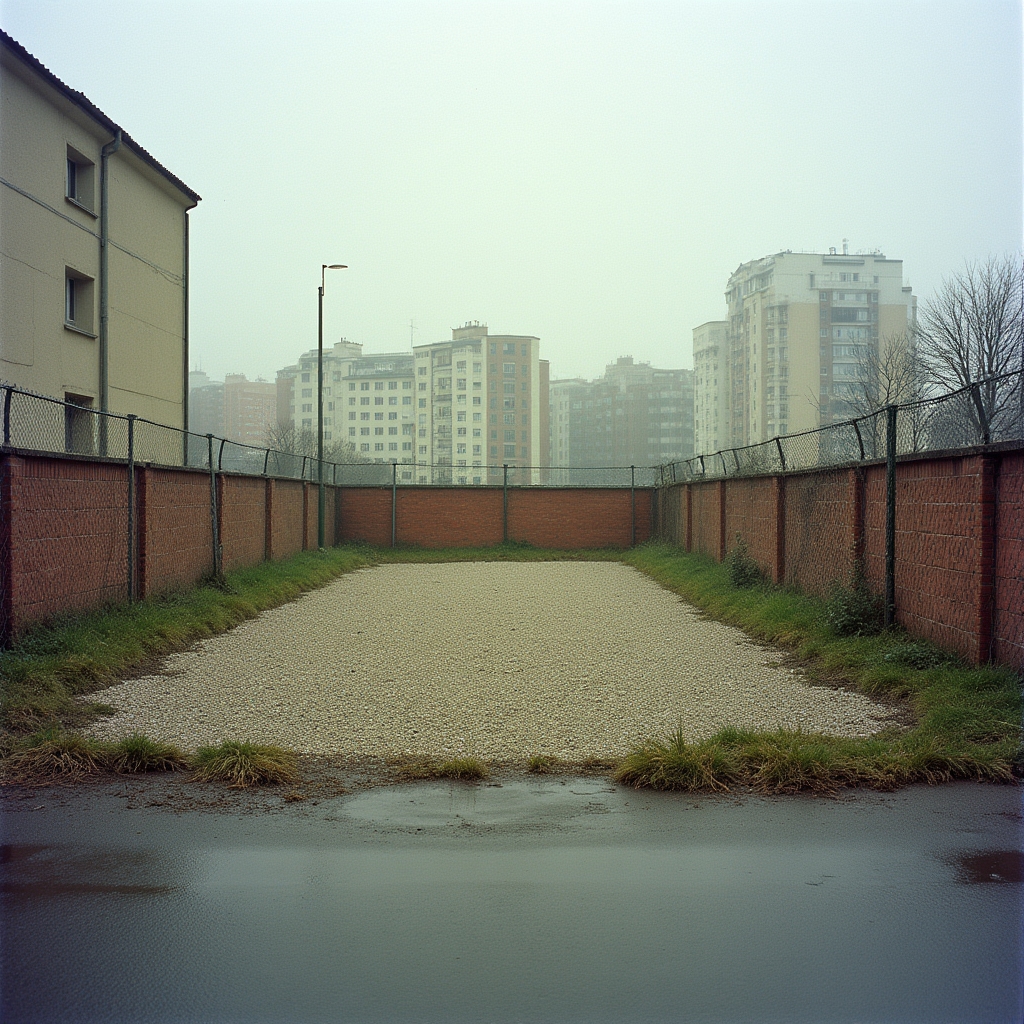
Urban land availability in Polish cities
Polish cities contain a significant amount of vacant or underutilised land. Post-industrial sites, gaps between buildings, and unused municipal plots exist in virtually every major city. Warsaw, Lodz, Katowice, and Wroclaw all have areas where land sits without active use.
This is relevant for container farming because the model does not require permanent land ownership. A temporary lease on a small plot, even for one to three years, can be sufficient to establish a productive operation. Municipal land in particular can sometimes be leased through transparent public tender processes.
The course covers how to identify these opportunities through publicly available municipal registers and how to approach the leasing process in a structured way.
The restaurant and food retail market
Polish cities have developed a food culture over the past decade that increasingly values locally sourced, fresh produce. Warsaw in particular has a restaurant scene that actively seeks out specialty ingredients. Microgreens, edible flowers, and uncommon herbs are difficult to source locally at consistent quality.
Zero-waste shops represent a separate channel. These retailers tend to have a customer base that responds positively to local provenance and minimal packaging. The course module on sales channels looks at how to approach both types of buyers and what they typically need from a new supplier.
This is not a guarantee of market access. It is an educational framework for understanding the landscape.
The regulatory environment
Poland operates within EU food safety and agricultural regulations while also having national-level rules on building permits, temporary structures, and land use. The course addresses the specific regulatory requirements that apply to a container installation used for food production.
The key areas are the local building authority's requirements for temporary structures, and the State Sanitary Inspection's food production registration process. Both are navigable but require specific documentation and procedural knowledge. The course provides this context.