Educational Programme · Warsaw, Poland
Turn Vacant Urban Land Into a Working Container Farm
A structured online course covering site leasing, container setup, high-yield crops under LED lighting, direct sales to restaurants, and all the permits you need in Polish cities.
Is it actually possible to run a profitable farm inside a shipping container in a Polish city?
The short answer is yes. The longer answer involves understanding zoning rules, finding the right crops, and knowing which restaurants will pay a premium for locally grown produce. This programme gives you the knowledge framework to explore all of it.
Unused land sits in every Polish city. Containers can be equipped with climate control, LED grow lights, and hydroponic systems. The regulatory path, while specific, is navigable. Each module in this course addresses one concrete piece of that puzzle.
Why Polish Cities?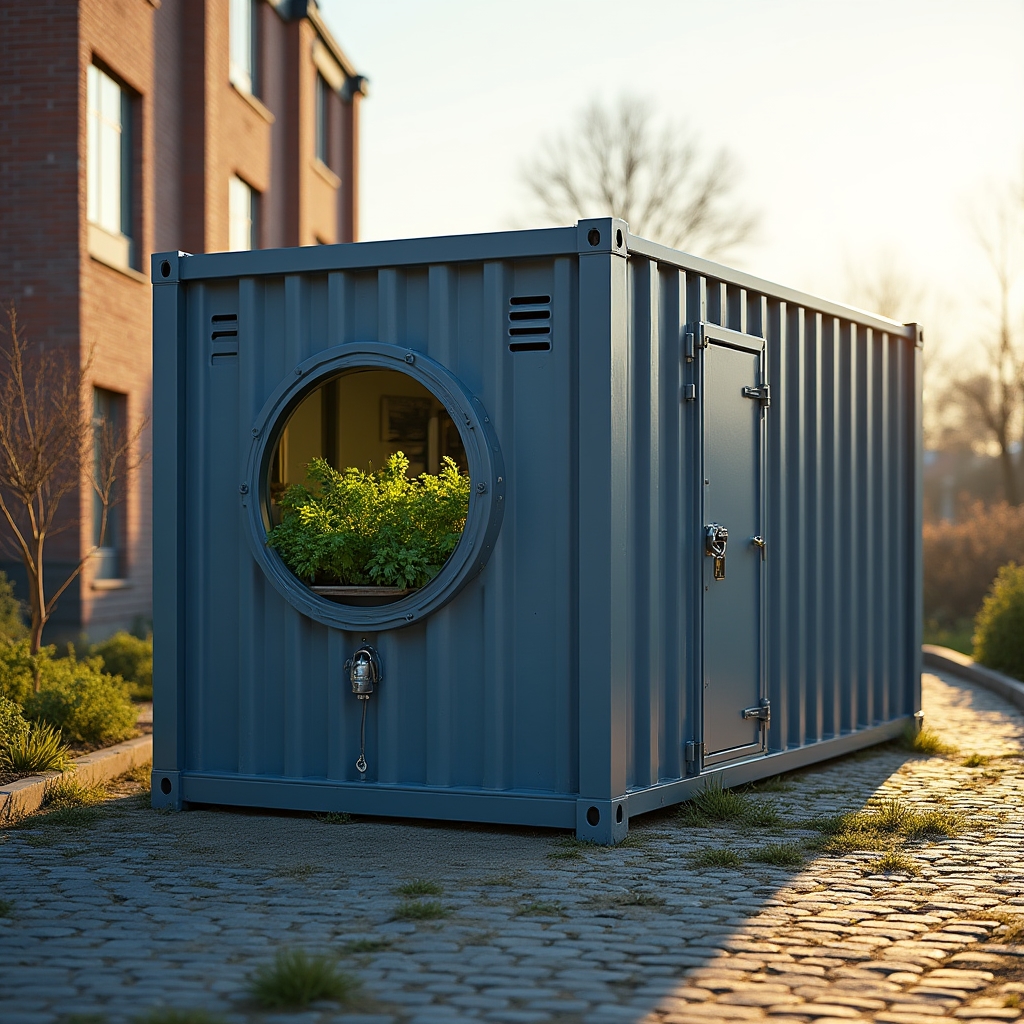
What does the programme actually cover?
Six focused modules, each building on the last. No filler, no theory for its own sake.
Leasing Vacant Land
How to identify unused plots in Polish cities, approach municipal offices, negotiate lease terms with private owners, and understand the legal structure of temporary land use agreements.
Container Setup
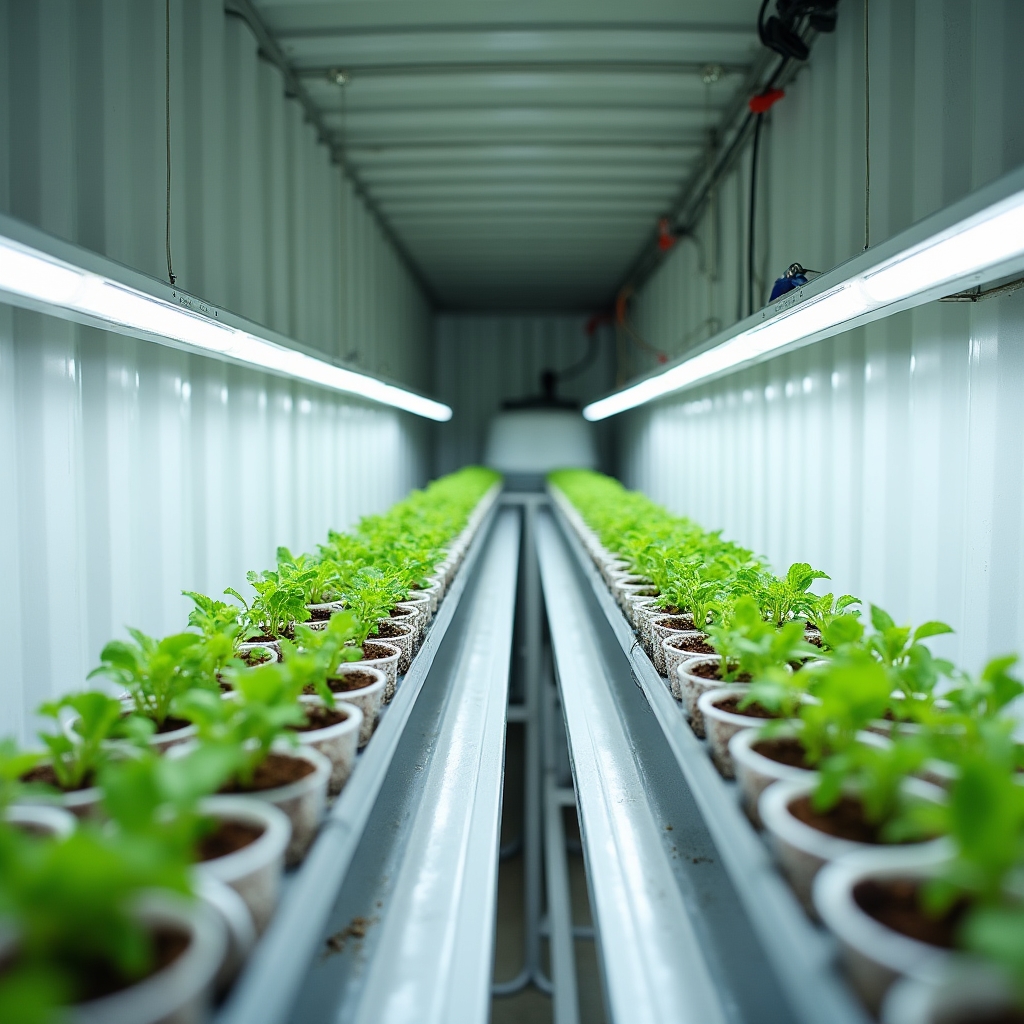
Selecting the right container specification, insulation options, ventilation systems, and how to configure a controlled-environment growing space that maintains consistent temperature and humidity through Polish winters.
High-Revenue Crops
Which crops generate meaningful revenue per square metre under LED lighting in Polish conditions. Microgreens, specialty herbs, edible flowers, and leafy greens each have different production cycles and price points worth understanding.
Direct Sales Channels
How to approach Warsaw and other city restaurants. How zero-waste shops source produce. What documentation buyers typically require. Building relationships that create repeat business rather than one-off transactions.
Permits and Compliance
What the local building authority requires for a container installation. The difference between a temporary structure and a permanent one under Polish law. Food safety registration with the relevant sanitary inspection body.
Business Plan Templates
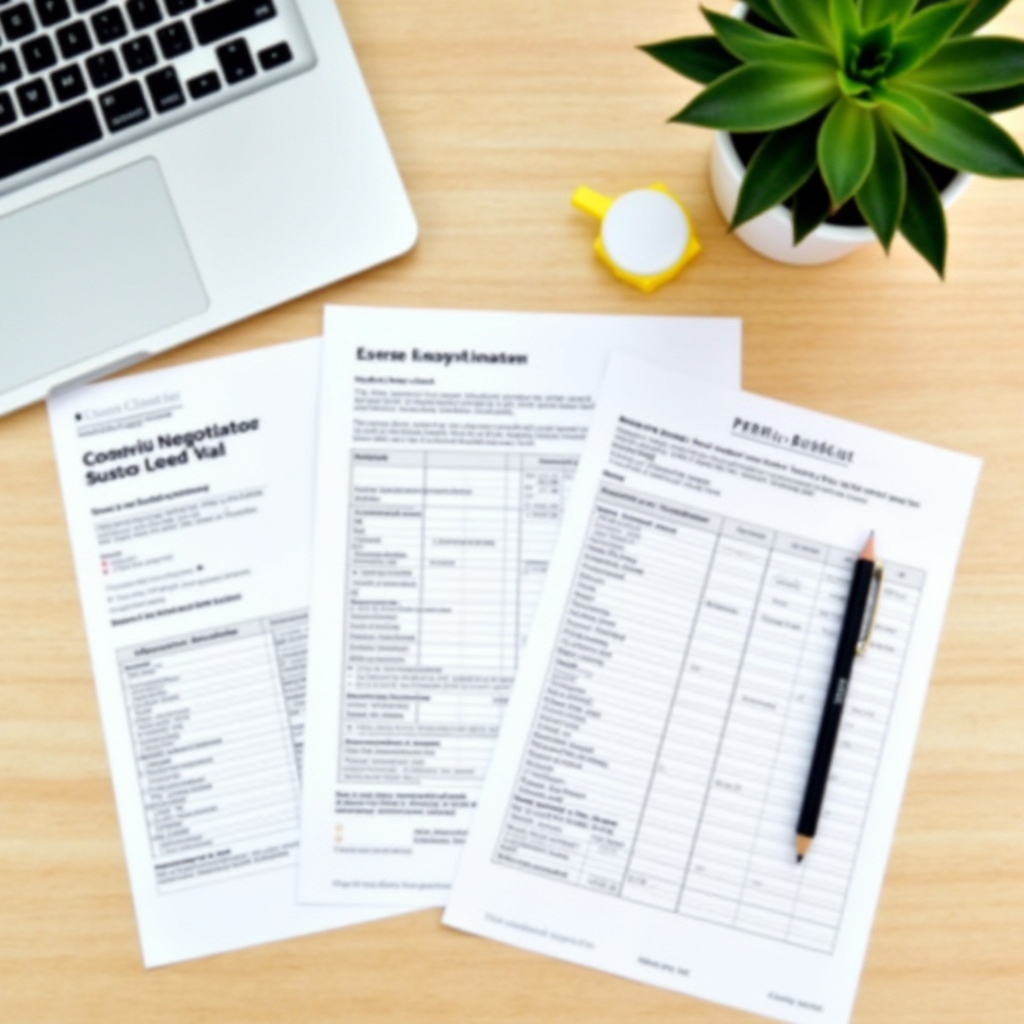
Downloadable templates covering financial projections, operational cost breakdowns, lease negotiation checklists, and a sales outreach framework. Structured documents you can adapt to your specific situation.
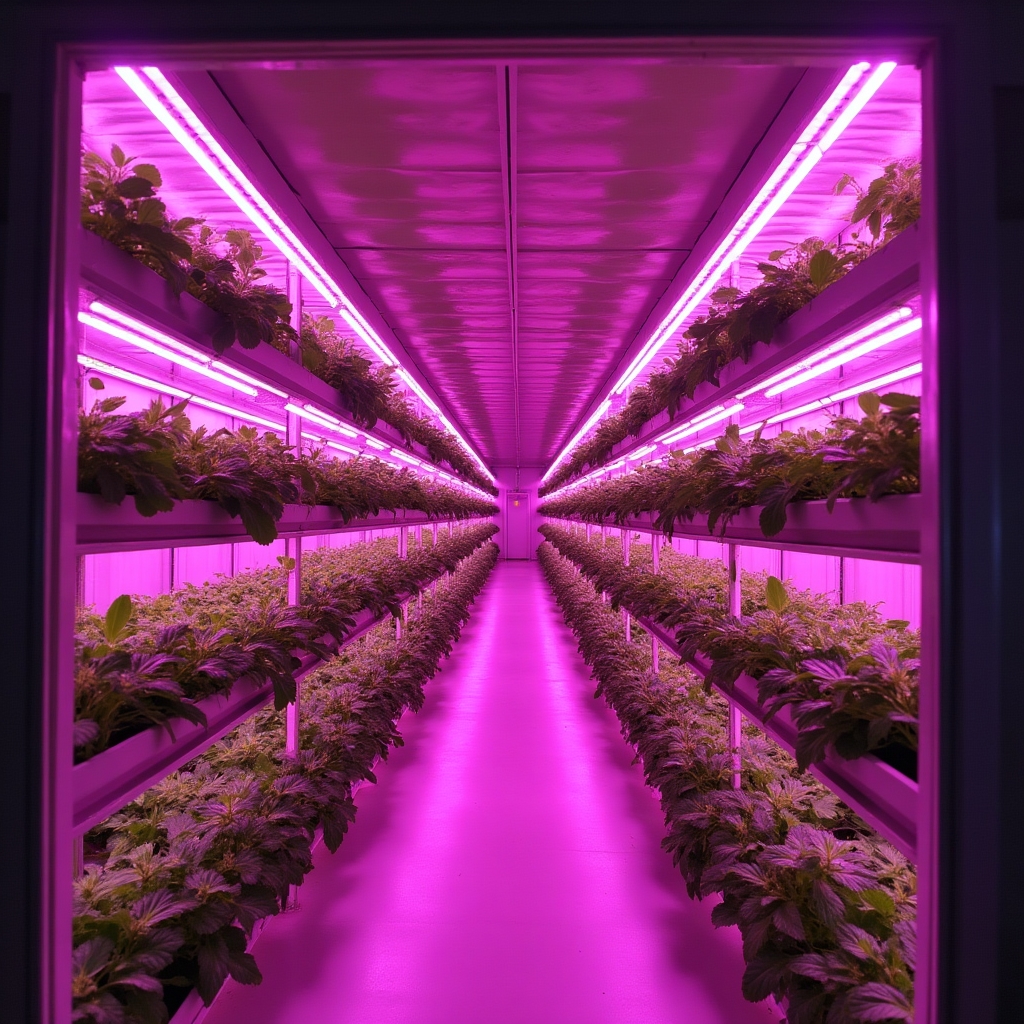
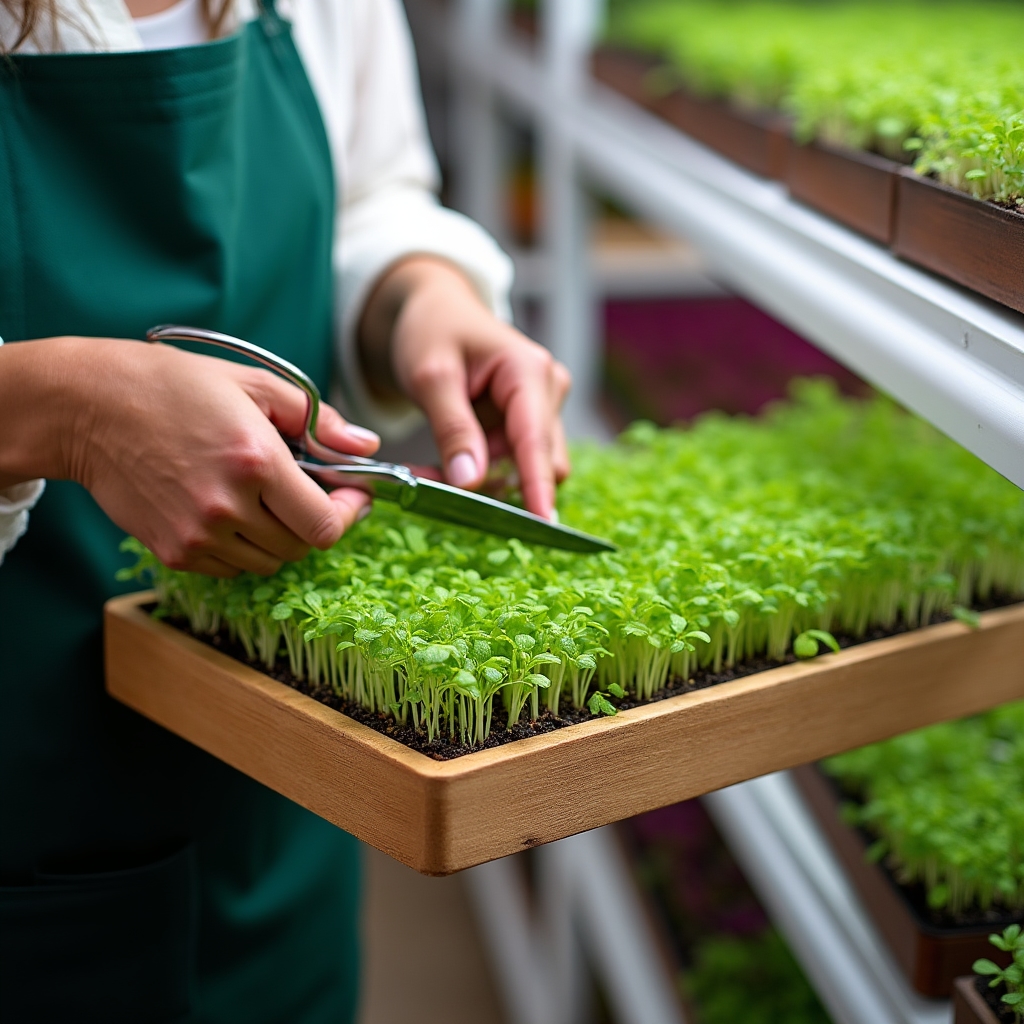
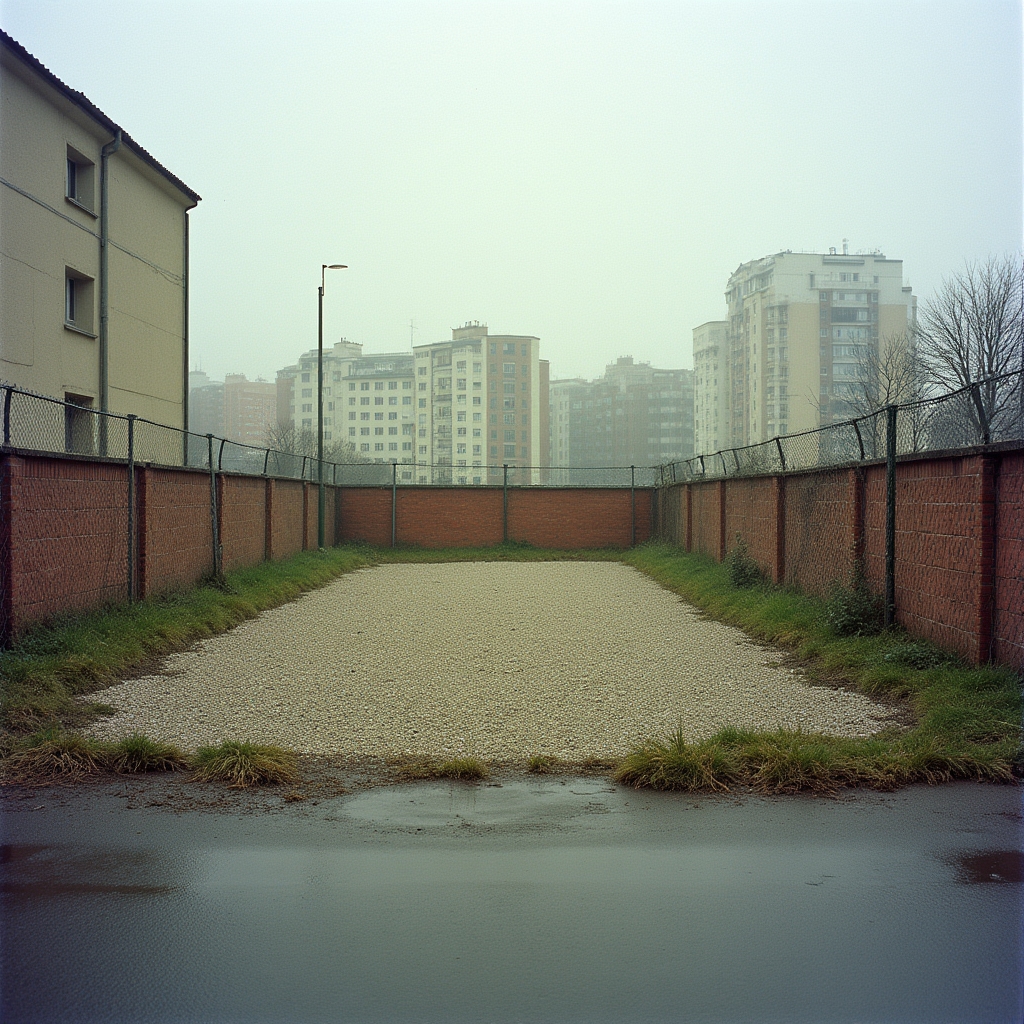
From empty lot to growing operation
A look at what container farming environments and urban growing spaces look like in practice.

What does the learning path look like?
Enrol and Access All Modules
Immediate access to the full course library. Video lessons, written guides, and downloadable resources are available from day one. Work through the material at your own pace.
Work Through Each Module Sequentially
The modules are designed to follow the natural order of setting up a container farm. Land first, then infrastructure, then crops, then sales, then compliance. Each builds on the previous one.
Download and Adapt the Templates
Business plan templates, lease negotiation checklists, permit application guides, and sales outreach frameworks. Each document is structured to be adapted to your specific city and situation.
Apply the Knowledge to Your Situation
The course gives you the information framework. You apply it. This is an educational programme, not consulting. The materials are designed to support independent decision-making.
Which crops actually make sense under LED lighting in Polish conditions?
Not every crop is worth growing in a container. The course module on high-revenue crops looks at production cycles, wholesale and retail price ranges in the Polish market, shelf life, and what buyers are actually looking for. Microgreens have short cycles and high margins. Specialty herbs serve restaurant demand. Edible flowers fill a niche with limited local competition.
The module does not recommend a single crop. It gives you the analytical framework to evaluate options based on your specific setup, location, and target buyers.
See Full Curriculum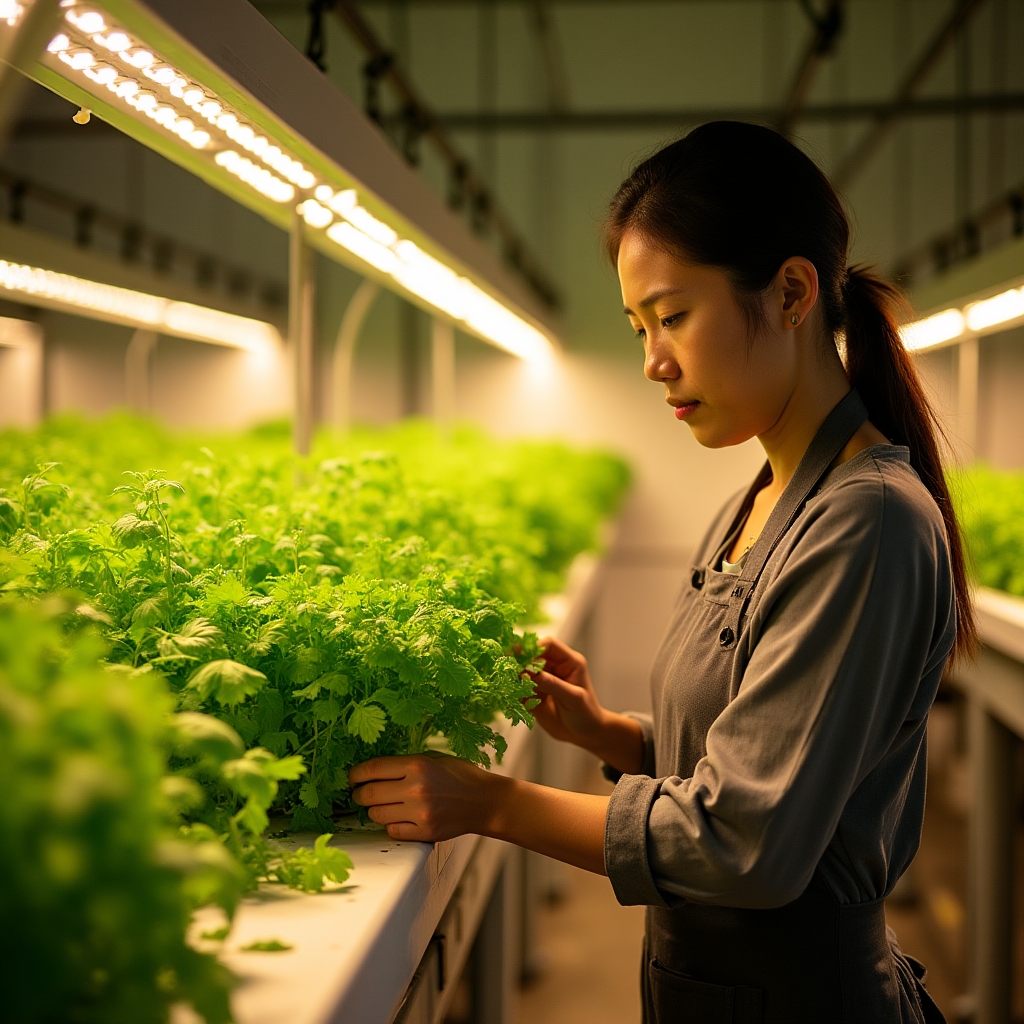
What do people ask before enrolling?
Questions that come up regularly about the course content and scope.
No prior farming background is needed. The course starts from the assumption that you are approaching container farming as a business concept. It explains growing systems, crop biology, and environmental controls in plain language. Some modules, particularly around permits and leasing, assume basic familiarity with reading official documents in Polish, but the course provides context and explanation throughout.
The regulatory frameworks covered in the course apply across Poland. Municipal land leasing processes, building permit requirements, and food safety registration follow national legislation, though specific procedures vary by local authority. The sales channel module references Warsaw and other major Polish cities including Krakow, Wroclaw, and Gdansk. The business plan templates are designed to be adapted to any Polish city.
This is one of the more complex areas the course addresses. A shipping container placed on land may be classified as a temporary structure, which has a different regulatory path than a permanent building. The relevant authority is the local starosta or city building department. Food production requires separate registration with the State Sanitary Inspection (Sanepid). The course module on permits walks through both processes with reference to the applicable Polish legal framework.
The sales module covers how restaurant purchasing decisions are typically made, what documentation buyers require (invoices, food safety certificates, origin documentation), and how to approach the initial conversation. It also covers zero-waste shops as a distribution channel, including their typical sourcing criteria and packaging expectations. The module includes a downloadable sales outreach template.
This is entirely a self-study educational programme. There is no one-on-one consulting, no personalised advice, and no project management service. The course provides information, frameworks, and downloadable templates. You work through the material independently and apply what you learn to your own situation. If you need individual professional advice on legal or financial matters, you would engage a qualified professional separately.
The templates are provided in editable formats. The financial projection spreadsheets use standard spreadsheet format. Written documents such as the lease negotiation checklist and permit application guide are in document format. All templates include annotations explaining each section and how to adapt it to your specific circumstances. They are designed to be practical working documents, not showcase materials.
Ready to learn how urban container farming works in Poland?
The course covers every practical aspect from finding land to making your first sale. Downloadable templates included.